

What is Polynesian Dance?
Oftentimes when talking about Polynesian dance, it’s assumed that most of the dances seen being performed are hula. While hula is in fact a type of Polynesian dance, it is only one of many that are performed. Typically, the types of Polynesian dance seen being performed are from the islands of Hawaii, Tahiti, New Zealand and Samoa.
The most commonly known form of Polynesian dance is from the island of Hawaii. Hula is actually the Hawaiian term for “dance,” and is usually characterized by its slow and graceful hips and hands. This is actually a more modern form of hula known as Hula Auana, often accompanied by ukulele or more contemporary music. The more traditional form of hula is Hula Kahiko, with stronger motions and accompanied by chants or a singer playing an ipu, or gourd drum.
The fast, high-energy dancing with drumbeats is from the island of Tahiti. Tahitian ori, the Tahitian word for dance, is often seen in luaus and mistaken for hula. Tahitian ori is characterized by the fast drumbeats played on a slit-log drum known as a toere, and its fast motions. For the females, they use mainly their hips, but guys are known for the step with their knees, pa’oti.
The islands of New Zealand have several dances performed through chants and implements. The Maori Poi ball dance has women twirling small spheres attached to rope. What many people recognize is the Maori Haka—a war chant made famous by the New Zealand national rugby team: the All-Blacks, where they would perform this before every game.
Finally, from the islands of Samoa, there are many exciting and high-energy dances, or siva as they are known in Samoan. The Siva Afi, or fireknife dance, is a dance performed by spinning a knife that has been set on fire, and is often a highlight for most luaus. The Samoan Sasa is a synchronized dance that usually is distinct from each village, and has a large amount of people performing all at once.
These are just a few examples of the dances that make up the entirety of Polynesian dancing. Each one has its own unique style and culture behind it, and it’s a pleasure for any performer to help spread this culture for others to enjoy. Kalakeke Pacific Island Dance Company is but one of many who wish to spread this culture for others to experience.
For more information, please call 661-294-3062 and visit www.scvhula.com.
ADVERTISE WITH US
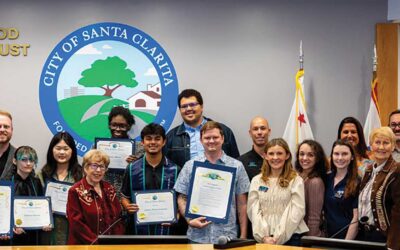
City Council Recognizes National Volunteer Month in Santa Clarita Volunteer Where You Live!
The City of Santa Clarita recognized April as National Volunteer Month. An impressive group of graduating high school student volunteers who have received the Civic Service Impact Award and members from Junior Chamber International of Santa Clarita (JCI) were...
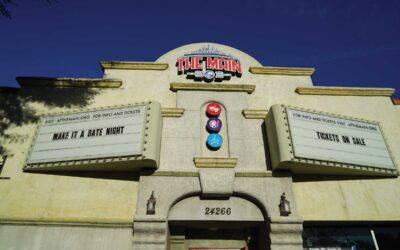
Calling All Creators: The Main Seeks 2027 Season Submissions The MAIN is Excited to Announce Proposals for the 2027 Theater Season Are Now Being Accepted!
The City of Santa Clarita invites theatre companies and event producers to submit proposals for The MAIN’s 2027 season. These productions and events are selected through a City-led proposal process and presented as part of The MAIN’s curated performance...
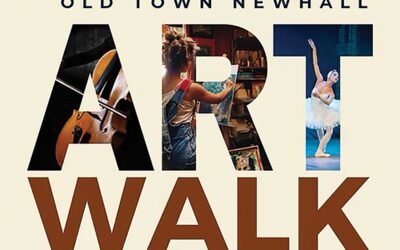
Old Town Newhall Art Walk Come visit Old Town Newhall To See The Arts! Newhall, CA — May 16, 2026 — 12pm – 6pm
The Old Town Newhall Association (OTNA) and Arts for Santa Clarita, with support from the City of Santa Clarita, are pleased to invite the community to attend the 2nd Annual Old Town Newhall Art Walk. The family-friendly event is free to the public and will run...
ABOUT THE MAGAZINE
Santa Clarita Magazine has set a high standard for excellence in advertising for over 36 years. A family owned and operated business, Santa Clarita Magazine has grown with the Santa Clarita Valley since 1990 and become the #1 place to advertise locally.
FOLLOW US
SANTA CLARITA MAGAZINE
PO Box 801570
Valencia Ca 91380
For Advertising information
Call or Text: 1 (661) 294-4444