

Repetitive Behaviors and Social Challenges
Repetitive behaviors associated with conditions like obsessive compulsive disorder (OCD) can be an oppressive weight to be shouldered for children. Every situation represents potential new problems resulting in new anxiety. As if the burden of reoccurring thoughts and behaviors isn’t enough, it can also interfere with a child’s ability to forge social connections, which cuts off a source of support.
Common Social Challenges – OCD tendencies can interfere with the social contact required to build friendships. For example, a fear of germs can trigger avoidance behaviors by prompting a child to stay away from social situations where germs might be present. Declined invitations and dismissed efforts to connect from other kids are less likely to be repeated. Rigid adherence to rituals also interferes with a sufferer’s social life by taking up excessive time. The emotional upheaval resulting from the interruption of rituals makes it clear that this is not a condition that mixes well with new friendships.
Many children don’t have the capacity to ask for help or fully explain how they’re feeling; some are embarrassed and afraid of being different. Many times the child doesn’t know that there’s a neurological explanation for their excessive thoughts and fears, that it’s not their fault and that they can’t effectively rationalize their feelings. As such, they’re also less able to censor their reactions and behaviors in social settings, which isolates them further.
How to Help – Parents can help by offering compassion and patience, without judgment. It helps to communicate to the child that the behaviors are due to a brain imbalance and can be managed with the right tools and resources – that there’s hope! It’s also important to remember that understanding of those around them is a vital part to the child’s well-being.
Clinical research indicates that Neurobehavioral Disorders like Obsessive Compulsive Disorder and others share an under-connectivity of electrical activity within and between the hemispheres of the brain. At Brain Balance, we refer to this under-connectivity as Functional Disconnection Syndrome. After completing a comprehensive assessment of your child’s brain and body function, our team integrates physical, sensory-motor, and cognitive exercises with simple dietary changes to help the brain make connections. Our program offers life-changing results, for children as well as their families.
For more information, please call Brain Balance Center of Valencia at 661-260-2228 and visit www.brainbalancecenters.com.
ADVERTISE WITH US

Valencia Marketplace Summer Concert Series
Valencia Marketplace’s Merchants are happy to serve you, and they have everything to help you celebrate the summer season from decorations, treats, party supplies, shoes, clothing, jewelry, restaurants and so much more. Along with a grocery store, Exer Urgent...
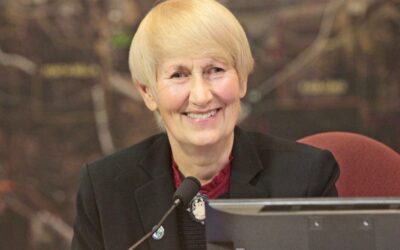
Monthly Message from the Mayor Laurene Weste Get Ready to Unearth a Story through the Santa Clarita Public Library’s Summer Reading Program
Each summer offers a valuable opportunity for our community’s children to continue learning, growing and discovering the joy of reading. As Mayor, I am proud to announce the return of the Santa Clarita Public Library’s Summer Reading Program, which keeps young...

Monthly Message from the City Manager Ken Striplin Welcome to the Newly Expanded David March Park
ABOUT THE MAGAZINESanta Clarita Magazine has set a high standard for excellence in advertising for over 36 years. A family owned and operated business, Santa Clarita Magazine has grown with the Santa Clarita Valley since 1990 and...
ABOUT THE MAGAZINE
Santa Clarita Magazine has set a high standard for excellence in advertising for over 36 years. A family owned and operated business, Santa Clarita Magazine has grown with the Santa Clarita Valley since 1990 and become the #1 place to advertise locally.
FOLLOW US
SANTA CLARITA MAGAZINE
PO Box 801570
Valencia Ca 91380
For Advertising information
Call or Text: 1 (661) 294-4444