

Calcaneal apophysitis
Calcaneal apophysitis is a traction apophysitis of the insertion of the Achilles tendon into the calcaneus.1 In 1912, Sever noted this condition is not unusual in growing children but one would never encounter it after the child reaches puberty. Sever considered the condition to be a muscle strain and suggested rest and protection to resolve the condition. He did not say that calcaneal apophysitis was an osteochondrosis although other authors have classified it as such. Calcaneal apophysitis is most common in boys ages 10 to 12 who are active in sports. However, with the rise in sports participation by girls, calcaneal apophysitis is believed to occur more frequently in girls ages 8 to 10.7 In one study of 85 patients with calcaneal apophysitis, 75 percent of patients were male. Specific sports that have been frequently associated with this condition include soccer, gymnastics, football, baseball, ice hockey, tennis, figure skating, ballet, tae kwon do and various running sports.The sport most likely to be associated with calcaneal apophysitis was soccer (29 percent), followed by basketball, gymnastics and running. For patients in whom pain persists despite adequate treatment, increases at rest, awakens the child from sleep or is associated with swelling and other physical changes, a radiograph and other diagnostic tests may be indicated. -Treatment consists of a combination of activity modification, icing and stretching of the gastrocnemius-soleus complex. Additional treatments include heel lifts of 0.25 to 0.5 inches thickness (with or without cushioning) to decrease the pull of the Achilles tendon. One may also utilize analgesic medications if necessary. One author recommends a prescription for a 5/8-inch compressible, sponge-filled leather orthotic in a wedge shape for under the heel.5 Most patients return to pain-free activity within three to six weeks.One may use custom foot orthoses in those children with biomechanical comorbidities to neutralize those influences during an acute episode or to maintain optimal foot alignment for future development. Educating parents and coaches about the clinical presentation of apophysitis may be beneficial in enhancing protective and proactive measures in at-risk children, and instituting appropriate treatment in a timely manner.
For more information, contact Dana Lavian, D.P.M. and Leslie G. Levy, D.P.M. office at 661-254-0795. Leslie G. Levy, D.P.M. and Dana Lavian, D.P.M. are board certified in foot and ankle surgery and earned their podiatric medical degree from Podiatric Medical School. They both have been practicing in Valencia for 30 years.
ADVERTISE WITH US

Egg Plantation Home of 101 Different Omelets and Much More!
Egg Plantation, is conveniently located in the heart of Newhall, a beloved, family-owned café renowned for its warm hospitality and charming ambiance. A staple in the community, it has been delighting patrons with its extensive breakfast and lunch offerings for...
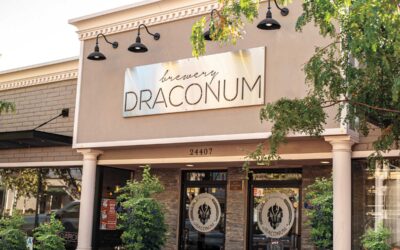
Brewery Draconum: Santa Clarita’s Hidden Garden Gem
Often referred to as a “hidden gem” Draconum, with its lush, expansive garden, offers an elevated, fresh-prepped pub-style menu, a variety of house & guest beers, wines, and a selection of house-made cocktails (featuring fermented alcohols). The ‘scratch...
Eighth & Rail: Where History, Good Times, and Great Nights Come Together
Eighth & Rail is more than a bar, it is a Santa Clarita institution. Rooted in over a century of history as one of the oldest watering holes in Los Angeles County, this Old Town Newhall landmark has evolved into the neighborhood’s go-to destination for...
ABOUT THE MAGAZINE
Santa Clarita Magazine has set a high standard for excellence in advertising for over 36 years. A family owned and operated business, Santa Clarita Magazine has grown with the Santa Clarita Valley since 1990 and become the #1 place to advertise locally.
FOLLOW US
SANTA CLARITA MAGAZINE
PO Box 801570
Valencia Ca 91380
For Advertising information
Call or Text: 1 (661) 294-4444