

Dogs and their Sensitive Stomachs
The term “food allergy” is often used to describe any adverse food reactions in dogs, often when an owner sees vomiting or diarrhea in the home. However, it is more accurate to describe many adverse food reactions as “food intolerance”. A true allergy means that there is involvement of the dog’s immune system, while food intolerance does not involve the immune system. Adverse food reactions in dogs are often confused with food allergies. One characteristic of food intolerance is that it occurs on the first exposure to that food or food additive. Allergies, and the immune system behind them, generally require several exposures before signs are seen.
There are several general categories of food intolerance reactions that may occur in dogs that are not caused by allergies:
• Food poisoning is a direct adverse reaction caused by food that is a frequent cause of gastrointestinal disease in dogs and may include the ingestion of excessive amounts of a certain nutrient, ingestion of spoiled food, and ingestion of foods that are irritating or toxic to a canine (such as chocolate)
• Food additives are occasionally reported to cause issues, including disulfides. Disulfides are found in onions and can cause damage to your dog’s red blood cells.
• Carbohydrate intolerance in dogs is much less frequent than in people, but does include lactose intolerance. Signs seen at home include diarrhea, bloating, and abdominal discomfort after ingesting any type of dairy product.
• Dietary indiscretion is one of the most common reasons for dogs to develop vomiting and diarrhea, occurring when they eat garbage or human foods. The gastrointestinal signs may result from bacterial contamination, fat or grease (don’t feed your dog fast food!), or from bones, plastic, or aluminum foil.
When your dog’s stomach seems to be an issue, try to distinguish between it being due to something he has eaten once versus something has eaten multiple times (and therefore may involve the immune system and a potential food allergy). Knowing the dog’s feeding schedule, nutrient profile, and the timing and severity of any signs and symptoms will help your veterinarian distinguish between a one-time adverse food reaction and a more chronic food hypersensitivity. If you would like to discuss any concerns about your dog’s diet, please call us at Copper Hill Animal Clinic.
Please call Copper Hill Animal Clinic at 661-296-8848 to schedule an appointment.
ADVERTISE WITH US
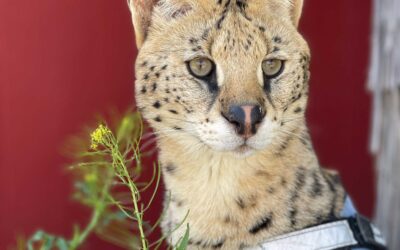
Mischief, By Name…and Absolutely By Personality – Animal Tracks
At first glance, Mischief looks like something out of a dream! Long legs, oversized ears, and a golden coat dotted with bold black spots. But spend even a few minutes with him, and you’ll quickly understand how he earned his name!Mischief arrived at our...

Work with a Local Top 100 PROS Elite Certified Dealer Today! – Image 2000
From copier and printer solutions to workplace hydration with water dispensers, Image 2000 delivers comprehensive solutions for today’s office needs.Founded in 1992, Image 2000 was built on a shared philosophy: delivering exceptional expertise in a rapidly...

Self Care, Connection and Community: A Meaningful May – SRD Straightening Reins
In honor of Mental Health Awareness Month 2026, SRD Straightening Reins invites the Santa Clarita community to its Self Care Roundup: For a Well Rounded Self. This unique event blends healing, connection and hands-on experiences designed to support mental...
ABOUT THE MAGAZINE
Santa Clarita Magazine has set a high standard for excellence in advertising for over 36 years. A family owned and operated business, Santa Clarita Magazine has grown with the Santa Clarita Valley since 1990 and become the #1 place to advertise locally.
FOLLOW US
SANTA CLARITA MAGAZINE
PO Box 801570
Valencia Ca 91380
For Advertising information
Call or Text: 1 (661) 294-4444