

Senior Pet Care
Our pets are living longer than ever before thanks in part to advances in veterinary care. But with their advancing age comes potential problems. Here are a few ways to help keep your senior pets as happy and healthy as possible through their “golden years”.
Both dogs and cats are considered to be “seniors” when they turn seven years of age. Once they are considered seniors, we recommend bringing them in for an exam every six months rather than yearly. Older pets can develop some of the same types of problems seen in older people including heart, kidney and liver disease, cancer, thyroid conditions, and diabetes. Running blood work on at least a yearly basis can help us to detect some of these diseases earlier and better treat them.
Older pets may also have changing dietary needs. Older dogs tend to experience weight gain and loss of mobility, so diets that are lower in calories and that are supplemented with glucosamine may help them maintain function. Older cats tend to lose weight as they age. Both species may benefit from diets with increased fiber and digestibility.
Both dogs and cats may experience loss of mobility and joint pain associated with osteoarthritis. While cats may be more difficult to read, signs of joint pain for both species include stiffness in gait or favoring a limb, difficulty getting up or down, sleeping more, reluctance to jump or use stairs, tenderness around certain areas such as the lumbar back or hips, and decreased activity and play. Glucosamine chondroitin and omega fatty acids can be joint protective, while prescription medications such as non-steroidal anti-inflammatories can help to relieve inflammation and pain associated with the arthritis.
If your older pet is showing changes in behavior such as confusion, increased vocalization, inappropriate elimination, decreased interaction with humans and housemates, or changes in sleep cycles, these may be indicators of a medical problem. Seeking veterinary help to rule out whether these are signs of a medical versus a behavioral issue is important. If all medical problems are ruled out then your pet may be experiencing senility. Keeping them mentally stimulated, engaging them, and being sensitive to their changing needs can help both you and your pet cope better with their cognitive dysfunction. Be aware that your senior will likely need to be indoors more often, need to sleep somewhere easier to get to (like away from stairs) and that they may be more sensitive to changes to the house or the family routine.
Cinema Veterinary Centre is located at 23460 Cinema Drive, Suite L in Valencia. For more information, please call 661-253-9300.
ADVERTISE WITH US
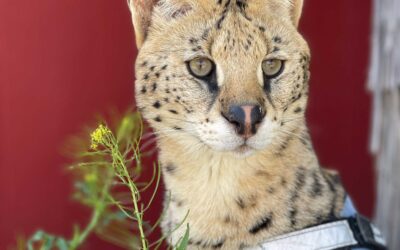
Mischief, By Name…and Absolutely By Personality – Animal Tracks
At first glance, Mischief looks like something out of a dream! Long legs, oversized ears, and a golden coat dotted with bold black spots. But spend even a few minutes with him, and you’ll quickly understand how he earned his name!Mischief arrived at our...

Work with a Local Top 100 PROS Elite Certified Dealer Today! – Image 2000
From copier and printer solutions to workplace hydration with water dispensers, Image 2000 delivers comprehensive solutions for today’s office needs.Founded in 1992, Image 2000 was built on a shared philosophy: delivering exceptional expertise in a rapidly...

Self Care, Connection and Community: A Meaningful May – SRD Straightening Reins
In honor of Mental Health Awareness Month 2026, SRD Straightening Reins invites the Santa Clarita community to its Self Care Roundup: For a Well Rounded Self. This unique event blends healing, connection and hands-on experiences designed to support mental...
ABOUT THE MAGAZINE
Santa Clarita Magazine has set a high standard for excellence in advertising for over 36 years. A family owned and operated business, Santa Clarita Magazine has grown with the Santa Clarita Valley since 1990 and become the #1 place to advertise locally.
FOLLOW US
SANTA CLARITA MAGAZINE
PO Box 801570
Valencia Ca 91380
For Advertising information
Call or Text: 1 (661) 294-4444