

Estate Planning: Questions and Answers
Estate planning is the process by which we arrange for the eventual transfer of our property to our beneficiaries, while minimizing probate fees and taxes.
1. What legal documents are used in estate planning? These include the revocable living trust, wills, deeds, assignments of interests, Powers of Attorney and Advanced Health Care Directives.
2. What is the difference between a testamentary trust and an inter vivo trust? The testamentary trust is written in a will, takes effect at the signer’s death and is subject to probate proceedings. The inter vivo (living) trust takes effect when it is signed, and is used both to control assets during the life of the signer and to provide for transfer of assets without probate at the signer’s death.
3. I’m not rich. Do I need a living trust? In California, gross estates of more than $150,000.00 are subject to probate. You may save your beneficiaries thousands of dollars, plus considerable time and effort, by holding your assets as Trustee of a living trust.
4. Should my CD’s be in my living trust? Yes. A major purpose of estate planning is to be sure you don’t hold assets in your own name. Assets in your own name would be subject to probate at your death.
5. What is joint tenancy? Joint tenancy is a form of title featuring an automatic right of survivorship upon the death of one joint tenant. Property held in joint tenancy is not subject to probate.
6. Why have a living trust, if I can hold all my property in joint tenancy? Disadvantages of joint tenancy include possible adverse tax consequences and loss of control of assets. Before you hold assets in joint tenancy, you should discuss this matter with legal and tax counsel.
7. What about taxes? A living trust may be used to avoid thousands of dollars in federal estate taxes on the second death of a husband and wife who have a combined net worth of over $5.49 million dollars.
8. How often should I review my will or trust? Whenever there is a change of circumstances, such as the birth or death of a beneficiary, the death or incapacity of a personal representative, a significant change in your relationship with any beneficiary or fiduciary, any major wealth change, or a separation or divorce.
Jerry Kessler practices law in Santa Clarita. He may be reached at 661-255-1001.
ADVERTISE WITH US
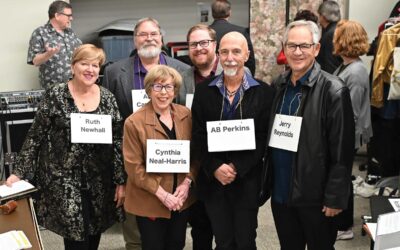
SCVHS50: Live From Santa Clarita, It’s Saturday Night
The Santa Clarita Valley Historical Society celebrated its 50th anniversary on March 7 with a lively and unconventional gala, “SCVHS50: Live From Santa Clarita, It’s Saturday Night!” held at the Canyon Country Community Center. The evening featured an entertaining...
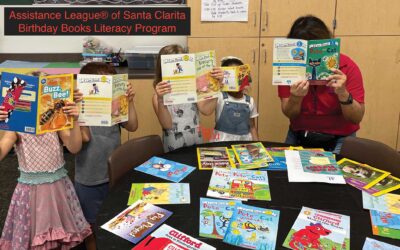
Reading Matters to Young Students – Assistance League® of Santa Clarita
Inspired by the quote from author, Garrison Keillor, “A book is a gift you can open again and again” the creation of the reading program, Birthday Books began. To encourage literacy and a love of reading through book ownership, Assistance League® of Santa...

Your Story is My Story Helping a Friend Prepare For Her Next Move – Berkshire Hathaway HomeServices
Every home tells a story, and some of the most meaningful ones begin with friendship. I recently had the privilege of helping a dear friend prepare her home for sale as she steps into an exciting new chapter. Having known each other for years and shared many...
ABOUT THE MAGAZINE
Santa Clarita Magazine has set a high standard for excellence in advertising for over 36 years. A family owned and operated business, Santa Clarita Magazine has grown with the Santa Clarita Valley since 1990 and become the #1 place to advertise locally.
FOLLOW US
SANTA CLARITA MAGAZINE
PO Box 801570
Valencia Ca 91380
For Advertising information
Call or Text: 1 (661) 294-4444