

How Can I Distinguish Between a Senior Moment and a Cause for Concern?
While most of us have probably lost our keys or misplaced something that was under our nose the whole time, a question many people have is,
“Is there a reason to be concerned, or might it just be a Senior
Moment?” A challenge for many families is often determining at what point a change in behavior merits consideration, and when to pursue medical
attention. People often make statements such as “Dad’s going nuts,” or “Mom’s lost her mind,” and don’t recognize that treatments may be available to help a loved one. Dementia is a condition that causes behavioral changes, yet is often undiagnosed and untreated.
Dementia
is a term that describes disorders that affect the functioning of one’s brain, and it is
characterized by mental decline and impairment. Dementia and Alzheimer’s are two different conditions. Alzheimer’s, a degenerative disorder of the brain, is reported to be the most common cause of dementia in older adults. The Alzheimer’s Association reports that “As many as 10 percent of all people 65 years of age and older have Alzheimer’s. As many as 50 percent of all people 85 and older have the disease.” People with Alzheimer’s have dementia; however people with dementia don’t necessarily have Alzheimer’s. For example, people with chronic
conditions such as Parkinson’s can have dementia. A common form of dementia is a condition referred to as Multi-Infarct, where blood flow is cut off from a certain part of the brain, resulting in permanent damage and loss of mental capacity.
People with dementia often have trouble with their ability to recall information, solve problems and speak. They may also act strange or seem moody. People with dementia often lose the ability to perform everyday tasks necessary to live
independently.
• Causes: A cause of dementia is often a stroke within the blood vessels in the brain. Aside from hereditary disposition, the causes of Alzheimer’s and Parkinson’s disease are not yet known. Research is constantly providing new insight and information.
• Symptoms: Inability to use judgment and make decisions, becoming forgetful, getting
lost in familiar surroundings, appearing anxious or agitated, having difficulty learning and remembering new information, withdrawing from social activities, and having difficulty expressing one’s self. As conditions worsen, paranoia, delusions and hallucinations may occur.
For more information, contact Home Helpers of Santa Clarita at 661-202-6305 or www.HomeHelpersHomeCare.com/SantaClarita.
ADVERTISE WITH US
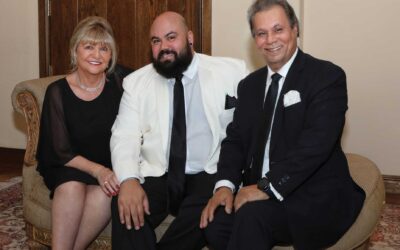
A Note From the Publishers – June 2026
June has arrived, bringing with it longer days, warmer evenings, and so many wonderful opportunities to celebrate the people and organizations that make the Santa Clarita Valley such a special place to call home.This month, we are especially excited to feature...
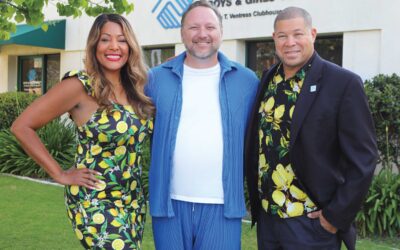
54th Annual Benefit Auction La Dolce Vita
For more than five decades, Boys & Girls Club of Santa Clarita Valley’s Annual Benefit Auction has brought the community together for an evening centered on connection, generosity, and investing in local youth. This summer, that tradition continues with the 54th...
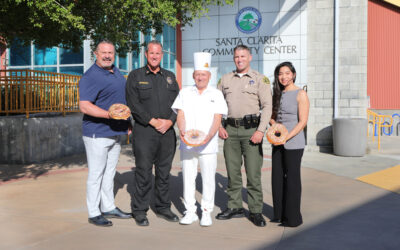
The Salvation Army Santa Clarita Valley Corps 3RD ANNUAL DONUT DAY
JOIN THE FUN • SUPPORT LOCAL • EAT DONUTS A SWEET TRADITION. A STRONGER COMMUNITY. FRIDAY JUNE 5, 2026 at 3:00 P.M. NEWHALL COMMUNITY CENTER 22421 Market St., Newhall, CA A SWEET HISTORY National Donut Day dates back to 1938, when the Salvation Army created...
ABOUT THE MAGAZINE
Santa Clarita Magazine has set a high standard for excellence in advertising for over 36 years. A family owned and operated business, Santa Clarita Magazine has grown with the Santa Clarita Valley since 1990 and become the #1 place to advertise locally.
FOLLOW US
SANTA CLARITA MAGAZINE
PO Box 801570
Valencia Ca 91380
For Advertising information
Call or Text: 1 (661) 294-4444