

FeLV: Feline Leukemia Virus
Feline Leukemia Virus is a very serious disease of cats. It is a retrovirus that is spread from cat to cat via secretions: saliva and blood being the most common. An infected cat may pass on the virus by grooming another cat, via blood or saliva from cat fights, or from mother to fetus during pregnancy. The virus does not live very long outside of the cat’s body and is easily killed with household disinfectants. Kittens and young cats, as well as cats that go outside or from catteries are at increased risk.
Most cats (about 70 percent) that are exposed or become infected can eliminate the virus and will become immune. However, in those cats that do not clear the infection, the virus suppresses the immune system and so can make the cat much more prone to secondary infections. Later on, in the disease process the virus can affect the bone marrow, causing anemia, or cause lymphoma. Cats that are carriers of the virus may look apparently healthy or they may exhibit any of these signs: lethargy, fever, anorexia, diarrhea, progressive weight loss and weakness, pale or yellow mucous membranes, enlarged lymph nodes, infections of the bladder, skin or respiratory tracts.
There are very easy tests your veterinarian can perform to test for the presence of the FeLV virus. The first test typically done is an ELISA test (typically referred to as an FeLV snap test at most hospitals). The ELISA test is a good test as it is very sensitive and checks for FeLV proteins in the cat’s blood. Because it is so sensitive it can detect very early disease. Another blood test, called the IFA test, detects more progressive disease. Usually if a cat tests positive for ELISA, the veterinarian will then run the IFA test at an outside laboratory to confirm. Other diagnostic tests may be recommended by the veterinarian if the cat is showing other clinical signs as well.
There is no effective treatment for the virus and 85 percent of persistently infected cats will die within three years of the diagnosis. That is why vaccination against this virus is so important, especially for indoor-outdoor cats and cats who live in shelters and catteries. All cats should be tested for FeLV first, to make sure they are negative for the disease prior to receiving the vaccine. For cats that are infected, good preventative health care with twice yearly check-ups is vital to keep them healthy and feeling well and to help prevent secondary infections. Any FeLV infected cat should be kept strictly indoors to help prevent spread to other cats.
Cinema Veterinary Centre is located at 23460 Cinema Drive, Suite L in Valencia. For more information, please call 661-253-9300.
ADVERTISE WITH US

Old Town Newhall Meet the Merchants – Eighth & Rail
Kerry Malony, Frankie Gunn and Louise Castaldo 22505 8th Street, Old Town Newhall (661)-255-7833www.eighthandrailpub.comWelcome to Eighth & Rail, the newest renovation to the oldest bar in Los Angeles County. We have something for everyone, starting with 14...
Old Town Newhall Meet the Merchants – Maginns Irish Pub
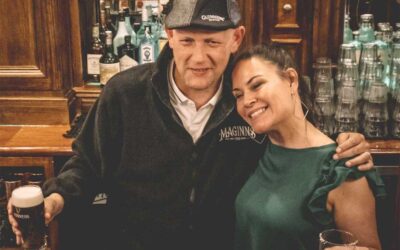
Ryan and Candice (Owners) 24480 Main Street #140, Old Town Newhall661-476-5168www.maginnspub.comMaginns Irish Pub brings the friendly welcome, charm, and coziness of a traditional small town pub in Ireland. Voted best fish & chips by elite magazine readers...

Old Town Newhall Meet the Merchants – Smokehouse on Main
Cherie McGraham (Owner)24255 Main Street, Old Town Newhall661-888-4585www.smokehouseonmain.comYour destination for contemporary Southern style cuisine and traditional BBQ. Offering smoked meats, mouthwatering barbecue and Southern-inspired dishes. Breakfast...
ABOUT THE MAGAZINE
Santa Clarita Magazine has set a high standard for excellence in advertising for over 36 years. A family owned and operated business, Santa Clarita Magazine has grown with the Santa Clarita Valley since 1990 and become the #1 place to advertise locally.
FOLLOW US
SANTA CLARITA MAGAZINE
PO Box 801570
Valencia Ca 91380
For Advertising information
Call or Text: 1 (661) 294-4444