

Beware Seniors – Hot Weather is Here!
If you’re caring for elderly loved ones, it’s important to know the facts about heat-related illnesses.
“The elderly are more prone to heat stress than younger people,” according to Lisa K., an Elder Care Coordinator at the McNamara Law Firm in Valencia. “Older people don’t adjust as well to sudden changes in temperature,” said Lisa, a nurse who has worked in skilled nursing, hospital, home health, and hospice settings. “They are more likely to have a chronic medical condition that changes normal body responses to heat, and they are more likely to take prescription medicines that impair the body’s ability to regulate its temperature or that inhibit perspiration.”
What are heat-related illnesses? Heat stroke, the most serious, occurs when the body’s internal thermostat fails. The person’s temperature rises rapidly, the body loses its ability to sweat and cool down. Body temperatures can rise to 106°F or higher within 10 to 15 minutes, causing death or permanent disability if emergency treatment is not provided.
More common among elders is heat exhaustion. This can develop after several days of exposure to high temperatures and inadequate replacement of fluids. Additionally, it is important to remember that Alzheimer’s and Dementia can affect the body’s ability to regulate its temperature, which can heighten the impact of heat-related illnesses.
As a caregiver or concerned family member, what should you do?
Visit the senior as often as possible during the hot summer months, and watch for signs of heat exhaustion or heat stroke, especially if your loved one has mild cognitive impairment (MCI) or is in the early stages of dementia. Remember, they may not be able to comprehend the heat, nor remember when or how to turn on the air conditioner. In addition, make sure they are drinking enough water. Many older adults don’t, especially those with dementia. If your elderly loved one refuses to drink, try adding a packet of flavoring to the water.
Heat-related illnesses in older adults often result in a trip to the emergency room or a hospital stay. Both can lead to hospital trauma which can accelerate behavior changes in a geriatric or dementia patient who would otherwise be cognitively stable at home. “It can take weeks to come out of this fog,” added Lisa. “Prevention is always the best medicine.”
To schedule a consultation regarding Long-Term Care, Medi-Cal, asset protection, or estate planning, please visit www.theMcNamaraLawFirm.com, or call 661-287-3260.
ADVERTISE WITH US

Celebrate May the 4th Be With You At Central Park
The City of Santa Clarita invites residents and visitors of all ages to step into a galaxy far, far away at May the 4th Be With You, taking place on Monday, May 4, from 6:00 p.m. to 10:00 p.m. at Central Park. Set against the scenic backdrop of Central Park’s...
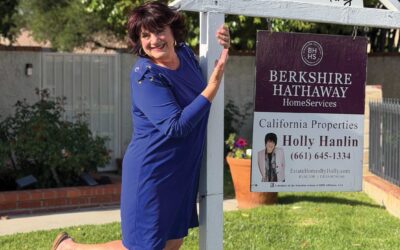
Showtime Success: From Listing to Escrow Berkshire Hathaway HomeServices
As I shared in my April article, preparing a home in the best possible condition is key to achieving the highest value the market is willing to offer. I also believe in the power of presentation, professional photography and staging, even using your own...

Dreamscapes at the Newhall Community Center
The City of Santa Clarita presents Dreamscapes, a juried art exhibition on display at the Newhall Community Center (22421 Market Street) through June 24, 2026. The exhibit explores surreal, imaginative worlds shaped by memory, emotion and fantasy, blending...
ABOUT THE MAGAZINE
Santa Clarita Magazine has set a high standard for excellence in advertising for over 36 years. A family owned and operated business, Santa Clarita Magazine has grown with the Santa Clarita Valley since 1990 and become the #1 place to advertise locally.
FOLLOW US
SANTA CLARITA MAGAZINE
PO Box 801570
Valencia Ca 91380
For Advertising information
Call or Text: 1 (661) 294-4444