

Seniors and Sundowning: What It Is and How to Cope with It – Comfort Keepers In-Home Care
Sundowning, or “sundown syndrome,” refers to a pattern of increased confusion, agitation, and restlessness that typically occurs in the late afternoon or evening among seniors, particularly those with Alzheimer’s disease or other forms of dementia. This condition can be distressing for both seniors and their caregivers, as it disrupts daily routines and contributes to emotional and behavioral challenges during the latter part of the day.
The exact cause of sundowning is not fully understood, but it is believed to be linked to changes in the brain’s internal clock and 24-hour rhythms. Fatigue, low lighting, and reduced ability to process environmental stimuli as the day progresses can exacerbate symptoms. Seniors experiencing sundowning may pace, yell, shadow caregivers, or become paranoid or aggressive. These behaviors are not intentional but are a response to the overwhelming confusion and discomfort they feel.
Coping with sundowning requires patience, observation, and consistency. One of the most effective strategies is to maintain a structured daily schedule. Predictability helps reduce anxiety and allows seniors to feel more secure in their environment. Limiting caffeine, sugar, and stimulating activities in the late afternoon can also help reduce symptoms. Providing a calm, quiet setting in the evening—such as dimming lights and turning off the television—can ease the transition to bedtime.
Physical activity during the day, exposure to natural light, and avoiding long naps can improve sleep quality and support healthier 24-hour rhythms. For some seniors, gentle redirection or comfort items like a favorite blanket or soothing music can provide reassurance during episodes of sundowning.
Most importantly, caregivers should take care of themselves and seek support when needed. Managing sundowning can be exhausting, and respite care or support groups can provide vital relief and encouragement. Understanding that sundowning is a symptom of a disease—not a personal choice—can help caregivers remain compassionate and patient.
By implementing practical strategies and maintaining a nurturing environment, both seniors and caregivers can experience more peaceful evenings and improved quality of life.
Myles McNamara is the owner of Comfort Keepers In-Home Care (661) 287-4200.
ADVERTISE WITH US

The Master’s University Preparing To Shoot 4th Feature Film – The Master’s University
The Cinema & Digital Arts (CDA) program at The Master’s University is currently working on its fourth feature-length film: a romantic drama titled, “The Echo of Us.”The award-winning program, led by Prof. Matt Green, will film during spring break in March,...
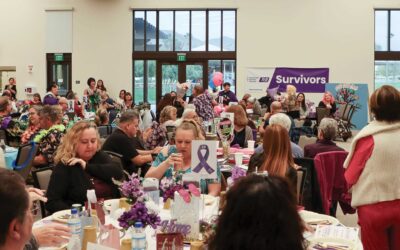
Get Involved With Relay for Life
For the organizers of Relay For Life of the Santa Clarita Valley, planning is in full swing. All of this preparation will culminate in Santa Clarita’s 28th Annual Relay For Life event on May 2, from 9:00 am to 9:00 pm at Central Park, 27150 Bouquet Canyon...

Swing Into Spring with the Sierra Hillbillies!
Square dancing is more than just a series of steps; it’s a “team sport” where eight people work in unison. Members often cite the mental sharpness required to follow the caller and the genuine friendships formed in the “square” as their favorite parts of the...
ABOUT THE MAGAZINE
Santa Clarita Magazine has set a high standard for excellence in advertising for over 36 years. A family owned and operated business, Santa Clarita Magazine has grown with the Santa Clarita Valley since 1990 and become the #1 place to advertise locally.
FOLLOW US
SANTA CLARITA MAGAZINE
PO Box 801570
Valencia Ca 91380
For Advertising information
Call or Text: 1 (661) 294-4444