

Seniors and Sundowning: What It Is and How to Cope with It – Comfort Keepers In-Home Care
Sundowning, or “sundown syndrome,” refers to a pattern of increased confusion, agitation, and restlessness that typically occurs in the late afternoon or evening among seniors, particularly those with Alzheimer’s disease or other forms of dementia. This condition can be distressing for both seniors and their caregivers, as it disrupts daily routines and contributes to emotional and behavioral challenges during the latter part of the day.
The exact cause of sundowning is not fully understood, but it is believed to be linked to changes in the brain’s internal clock and 24-hour rhythms. Fatigue, low lighting, and reduced ability to process environmental stimuli as the day progresses can exacerbate symptoms. Seniors experiencing sundowning may pace, yell, shadow caregivers, or become paranoid or aggressive. These behaviors are not intentional but are a response to the overwhelming confusion and discomfort they feel.
Coping with sundowning requires patience, observation, and consistency. One of the most effective strategies is to maintain a structured daily schedule. Predictability helps reduce anxiety and allows seniors to feel more secure in their environment. Limiting caffeine, sugar, and stimulating activities in the late afternoon can also help reduce symptoms. Providing a calm, quiet setting in the evening—such as dimming lights and turning off the television—can ease the transition to bedtime.
Physical activity during the day, exposure to natural light, and avoiding long naps can improve sleep quality and support healthier 24-hour rhythms. For some seniors, gentle redirection or comfort items like a favorite blanket or soothing music can provide reassurance during episodes of sundowning.
Most importantly, caregivers should take care of themselves and seek support when needed. Managing sundowning can be exhausting, and respite care or support groups can provide vital relief and encouragement. Understanding that sundowning is a symptom of a disease—not a personal choice—can help caregivers remain compassionate and patient.
By implementing practical strategies and maintaining a nurturing environment, both seniors and caregivers can experience more peaceful evenings and improved quality of life.
Myles McNamara is the owner of Comfort Keepers In-Home Care (661) 287-4200.
ADVERTISE WITH US
Fraud and Elder Abuse Are Hitting Closer to Home – Thompson Von Tungeln
Imagine waking up to discover your home has been sold without your knowledge. Or that your elderly mother, placed in what looked like a caring residential facility, has beenquietly neglected for months. These are not hypotheticals. They are headlines from the past few...
What Happens When You Default on Your EIDL SBA Loan? – Financial Recovery Law
If you are a business owner who has defaulted on an SBA Economic Injury Disaster Loan (EIDL), you are not alone. Many businesses accepted EIDL funds during the COVID-19 pandemic believing the economic disruption would be temporary. Unfortunately, rising costs, reduced...
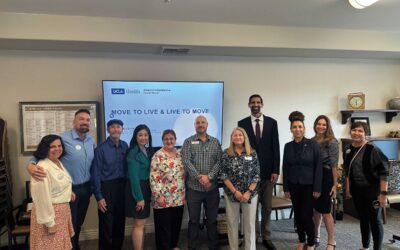
Move to Live: Building Strength and Wellness
On Thursday April 22nd Dr. Nimit Sudan, a Specialist from UCLA Hematology & Oncology held a discussion at Oakmont of Santa Clarita titled, “Move to Live & Live to Move” where he discussed frailty syndrome and the role muscle health plays in overall wellness as...
ABOUT THE MAGAZINE
Santa Clarita Magazine has set a high standard for excellence in advertising for over 36 years. A family owned and operated business, Santa Clarita Magazine has grown with the Santa Clarita Valley since 1990 and become the #1 place to advertise locally.
FOLLOW US
SANTA CLARITA MAGAZINE
PO Box 801570
Valencia Ca 91380
For Advertising information
Call or Text: 1 (661) 294-4444